Table Of Content
Rhythm is like a combination of pattern, movement, and repetition. It creates a visual tempo that is consistent and systematic. Picasso's work used a lot of rhythm, and other artists with a distinct brand or feel are quite rhythmic. Design principles are guidelines that dictate how to use the elements effectively.
Principles of Design and Their Importance
Contrast can be achieved through variations in color, size, shape, and texture. For example, pairing light and dark colors or combining large and small shapes. This principle ensures that important elements stand out and that the overall design is dynamic and engaging.
The technology of retail central bank digital currency - bis.org
The technology of retail central bank digital currency.
Posted: Sun, 01 Mar 2020 08:00:00 GMT [source]
Design Principles: Compositional, Symmetrical And Asymmetrical Balance
The contrasting color scheme of this corporate annual report creates rhythm. Notice how the color scheme flip-flops depending on the page. Odd-numbered pages feature one color scheme, while even-numbered pages feature another. Transparency adds depth by allowing overlay of elements, creating richness in visuals without overwhelming the composition. Grid and alignment are used to structure content and maintain a clean, organized layout.
Radial Balance
Our perception of color is relative to the colors around it. In the example below, the red square demands our attention, giving it more visual weight than the yellow square. However, as we’ll see in the next example, this is not always true. Also known as direction, movement uses elements to lead the eyes from one location to another.
What are the Different Types of Balance in Design?
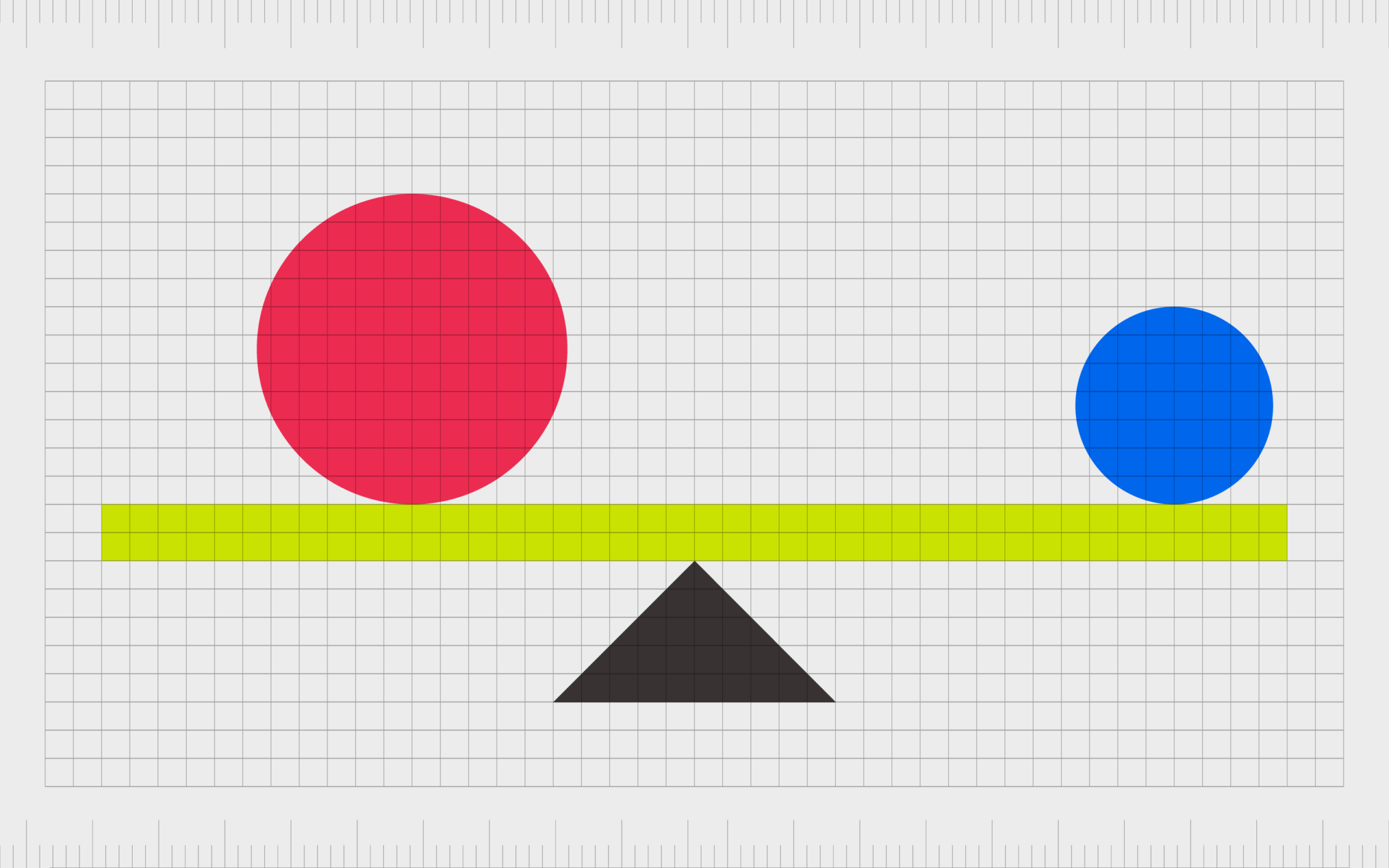
The piece is asymmetrical, meaning it creates balance through negative space and a teeter-totter of elements. The importance of finding the right balance in design cannot be understated. It doesn’t matter how amazing a design concept may be or how vibrant the colors used. So, the key to creating amazing marketing creatives that engage customers is striking the right amount of balance. Know where to use what kind of balance and you are halfway to mastering all of your design projects.
Unity in design and style is essential for the success of your design. When your customer has finally consumed your content, they must be left with a feeling of surety and confidence in your brand. All elements must appear as if they are from the same brand. Identify your brand’s objective and what you expect from your designs, and the hierarchy for each element will naturally play out.

In the above illustration, one large leaf is the focal point, and it is balanced by the combined weight of the other three. Your main concern could be how you can have balance in design and at the same time have a focal point and contrast since they appear to be opposite of balance. Having balance doesn't limit you from having a focal point or contrast. However, it would be best if you came up with a way to manipulate and distribute other design elements to maintain a perfect balance.
Other Principles of Design

But what drives a person’s attention when they see your design? Hierarchy is a principle of design that establishes the most important and least important aspects of any design. You likely want to direct how your audience consumes the content you create. This natural progression of one’s eyes, from one object to another, can be controlled by the design of the content. The nature of design is such that each artist has the freedom of expression. Unlike fine art, commercial artists who work on brands and design firms must follow these guidelines and understand its terms, as they set a standard for correctness.
How to Inspect an Element in Every Browser And 7 Pro Tips
Radial balance, which can be either symmetrical or asymmetrical, means that other elements seem to radiate from a point in the center, like spokes on a bicycle. An example would be Premier Disque by Robert Delaunay, which is symmetrical, or Rhythm No., also by Delaunay, which is balanced but asymmetrical. Some art may appear off balance, however, to create motion or to elicit a certain feeling. Radial Balance is a significant principle of design in balance. The definition of radial balance is the type of balance with its focus on a center point. It's similar to symmetry, which demands that elements of repetition also be used.
Achieving Gender Balance at All Levels of Your Company - HBR.org Daily
Achieving Gender Balance at All Levels of Your Company.
Posted: Tue, 30 Nov 2021 08:00:00 GMT [source]
Patterns are nothing more than a repetition of multiple design elements working together. Wallpaper patterns are the most ubiquitous example of patterns that virtually everyone is familiar with. Balance in design doesn’t always mean having all the elements in the center. You can have it flushed to the left or right, or in the case of the A Minor Fall book cover of the author Price Ainsworth, at the top. Arranging texts, images, and other assets in a structure of rows or columns gives them order and balance.
While that sounds like a completely arbitrary term, what the client generally means is that the design needs more contrast. Another excellent example of reflection symmetry is the website of Russian distillery company Rodionov & Sons. When you land on the page, you’ll be greeted by the top of a bottle with fancy swirls animating around it. Once you scroll down, you’ll find the page brimming with symmetrical balance. White space is about not adding any elements to the composition and takes a more minimalistic and simplistic approach to design.
It more so refers to the emptiness and available room in your design and the fact that some areas don't contain anything. For example, elements of different sizes can all have the same color and be near one another. A pattern in design is all about the repetition of more than one element. The role of repetition in design is to create consistency and unity. It guides viewers from the start of the content to the end - from highest priority to least priority.
Framing refers to how the primary subject of a design is placed in relation to other elements on the page. It’s most often heard referred to in cinematography or photography, with how the main focus of an image is placed within the overall image. Unity refers to how well the elements of a design work together. Visual elements should have clear relationships with each other in a design.
Say there are two objects - one is bigger and the other is much smaller. It's how the size of one object compares and is correlated to the size of the other object. The elements follow a tempo and move and flow in an organized way. Typically, the viewer's eye first sees the most important element, then the second most important, then the third one, and so on. This difference can be that one element has a dark background color, and the other has a light one. With the use of the variety, you have a good chance of maintaining the interest and engagement of viewers.
One of the key principles of design, balance, refers to the arrangement of visual elements so that their visual weight is in harmony with one another. Rather than actual mass, visual weight just means an object's power to attract the viewer's eye. While asymmetrical balance merely shifts the perspective in an image, off-balanced designs create a feeling of unrest. Ironically, it is this quality that sometimes makes these images hard to ignore. But proceed with caution – if you hit the right mark your design can end up looking amateurish or disorderly. This is the most common type of balance that you will see in a design.
Unless this is the case, designers meticulously maintain balance in their designs as this is what most viewers prefer. Look at the numbers, sizes, and types of forms and visual elements seen on each side of the bisected axis. Without balance we create visual tension that can easily have a negative impact on how our designs are perceived by others. In the physical world, objects of the same physical weight will balance each other on a scale.



No comments:
Post a Comment